The Allure of Gambling
The thrill of gambling draws millions into casinos each year, fueled by the promise of excitement, risk, and potential reward. This appeal can be traced back to fundamental human psychology, where the prospect of winning engages our cognitive biases. Many individuals experience a rush of adrenaline when placing bets, particularly when they consider options like ontario online casino fast withdrawal , a feeling that can be likened to other high-stakes activities. This psychological high is often enough to create a compelling environment that attracts individuals repeatedly into gaming spaces.
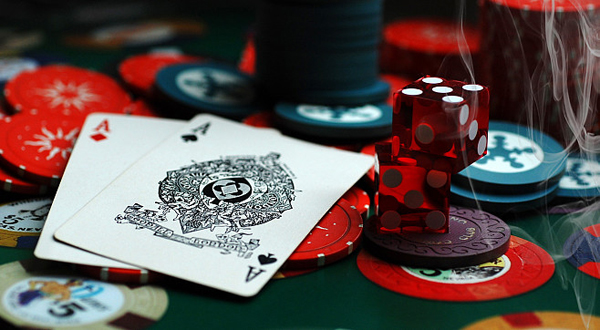
Moreover, the design of casinos plays a significant role in enhancing this allure. From bright lights to enticing sounds, every element is strategically placed to stimulate the senses and induce an elevated emotional state. For instance, the use of ambient sounds, such as the chiming of slot machines or the cheers of winners, can create an atmosphere of excitement that motivates others to join in. This orchestrated environment ensures that gamblers remain engaged, effectively reinforcing their behavior and prolonging their stay.
The psychological mechanisms behind gambling also encompass the notion of escapism. For many, casinos serve as an escape from daily life stresses and routines. The allure of a different reality, one filled with potential fortune and adventure, can be a strong pull for individuals seeking temporary reprieve from mundane responsibilities. This desire is deeply rooted in the human experience, revealing a psychological need for thrill and distraction, which casinos tap into masterfully.
Cognitive Biases and Gambling
Cognitive biases significantly influence gambling behavior, affecting how players process information and make decisions. One prevalent bias is the illusion of control, where gamblers believe they can influence the outcome of games purely based on their actions. This belief can lead to the misconception that certain strategies will yield better results, particularly in games like poker or blackjack where skill can impact performance, thus allowing players to feel empowered in their choices. Understanding this bias can help individuals recognize when they may be overestimating their abilities.
Another significant cognitive bias is the gambler’s fallacy, the erroneous belief that past events affect the probability of future outcomes. For instance, someone might think that if a roulette wheel has landed on red multiple times in a row, black is now more likely to occur. This misinterpretation of randomness can lead gamblers to make irrational decisions, often resulting in increased bets as they chase perceived “due” outcomes. By grasping these biases, players can gain insight into why they often engage in gambling behaviors despite adverse results.
Additionally, variable reinforcement schedules in gambling exploit these cognitive biases. Rewards are not given consistently, which keeps players guessing and engaged. For example, slot machines pay out at unpredictable intervals, making players more susceptible to continued play, believing that their next spin could be the big win. This psychological manipulation is carefully crafted and plays a significant role in ensuring sustained engagement, even among those who may not typically gamble. Casinos utilize these principles to maximize player retention and increase their overall profits.
The Role of Emotion in Gambling
Emotions play a pivotal role in the decision-making processes of gamblers. For many, the emotional experience of winning can create a powerful association between gambling and positive feelings. This positive reinforcement can lead to continued participation, as each win triggers a dopamine release in the brain, making the act of gambling more enticing. This cycle of emotional highs and lows can create a strong pull, leading individuals to return in hopes of replicating their previous successes and experiencing that rush again.
Conversely, the emotional pain of losses can trigger a different set of behaviors. Some gamblers may experience loss aversion, where the fear of losing prompts them to gamble more in an attempt to recover lost funds. This behavior can escalate quickly, leading to a detrimental cycle of chasing losses and increased financial risk. Emotional responses thus create a complex interplay that influences gambling habits and can lead to problematic behaviors over time, as individuals may prioritize the desire to win over their well-being.
Ultimately, the intersection of emotion and gambling reveals how susceptible individuals are to psychological manipulation. The design of casino environments, coupled with the emotional highs derived from winning and the lows of losing, creates a potent cocktail that keeps players returning. Casinos capitalize on this by crafting experiences that resonate with individuals on an emotional level, making the psychological relationship with gambling as potent as the financial one. Understanding this emotional engagement can be crucial for individuals looking to maintain a healthy gambling approach.
Addiction and Behavioral Consequences
The thin line between responsible gambling and addiction is a critical area of concern in exploring gambling psychology. Many individuals can partake in gaming as a form of entertainment without severe repercussions. However, for others, the patterns of behavior can escalate into compulsive gambling, where the desire to gamble outweighs the consequences. Factors such as predisposition to addiction, social influences, and emotional state can significantly contribute to this transition, complicating the relationship individuals have with gambling.
Research indicates that gambling addiction can have far-reaching consequences, impacting not only the individual’s life but also their relationships and overall well-being. Compulsive gamblers may experience financial ruin, mental health issues such as anxiety and depression, and strained relationships with loved ones. The secretive nature of gambling can further exacerbate these issues, leading to isolation and additional psychological distress. Understanding these risks is crucial for both players and their families.
To combat these issues, many casinos and gambling establishments have begun to implement responsible gaming practices. Awareness campaigns, self-exclusion programs, and access to counseling resources are increasingly recognized as vital components in promoting healthy gambling habits. Understanding the psychological triggers and pathways that lead to gambling addiction is crucial in developing effective strategies for prevention and intervention for at-risk individuals, ensuring that more people can maintain control over their gaming activities.
Website Information and Resources
For those looking to delve deeper into the psychology of gambling, numerous resources are available that provide valuable insights and support. Many organizations focus on gambling addiction prevention, offering educational materials and personal stories that illuminate the challenges faced by those struggling with compulsive behaviors. They serve as a platform for advocacy, raising awareness about the psychological aspects of gambling and the importance of responsible gaming.
Additionally, various online forums and communities offer support for individuals grappling with gambling-related issues. These spaces allow for sharing experiences and strategies while also promoting a sense of community among individuals who often feel isolated in their struggles. This online presence can be particularly effective for those hesitant to seek help in person, creating an accessible way to connect with supportive resources that can facilitate recovery.
Overall, exploring the psychology of gambling in casinos opens a window into the complex relationships individuals have with risk, reward, and emotional fulfillment. By understanding these dynamics, one can better navigate the gaming landscape and make informed decisions about their gambling behavior, leading to a healthier approach for both casual players and those at risk of addiction. This understanding is essential for fostering a safer and more responsible gaming environment for everyone.

